What Tooth Erosion Is and How Common It Is
Tooth erosion is the chemical loss of enamel and dentin caused by acids that are not produced by mouth bacteria.[9] Unlike cavities, erosion does not need plaque to start. Acids from food, drinks, stomach contents, or the environment can dissolve enamel directly.[9]
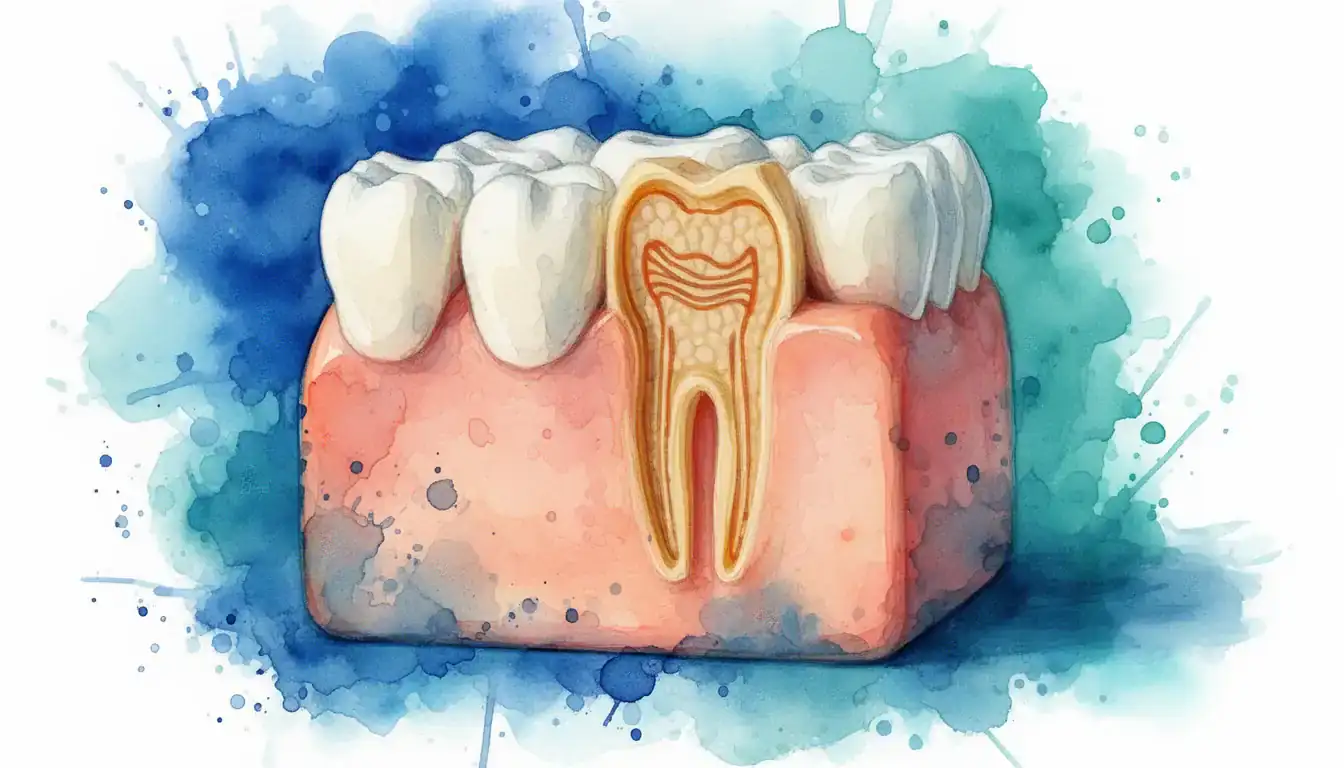
Enamel is the hard outer shell of the tooth. Once it wears away, it does not grow back. The softer dentin underneath is exposed, which can cause sensitivity, color change, and faster wear.[9][10]
Erosion is one of the most common forms of tooth wear worldwide. A 2024 FDI World Dental Federation policy statement identified tooth wear, including erosion, as a major and growing global oral health problem.[4] Studies show prevalence varies widely by age and lifestyle. In one study of young adults in the Singapore military, erosive tooth wear was found in more than 40% of participants.[7] Population reviews report that erosion affects both children and adults, with rates rising in younger groups due to acidic drink consumption.[10]
Causes and Risk Factors
Tooth erosion is caused by repeated acid contact with enamel, from either outside the body (diet) or inside (stomach acid).[9] Risk rises when acid exposure is frequent, prolonged, or paired with low saliva flow.[5]
Dietary Acids
Acidic foods and drinks are the most common cause of erosion. Soft drinks, sports drinks, energy drinks, fruit juices, wine, and citrus fruits all lower mouth pH below the level at which enamel begins to dissolve.[1][5]
A 2025 systematic review in <em>Nutrients</em> found that sports, energy, and isotonic drinks have measurable erosive potential on enamel, particularly when consumed often during training.[1] A 2024 review in <em>Medicina</em> linked frequent sports nutrition habits, including gels and acidic beverages, to higher rates of erosion in athletes.[2]
- Carbonated soft drinks and energy drinks
- Sports and isotonic drinks
- Citrus fruits and citrus juices
- Wine, especially white wine
- Vinegar-based dressings and pickled foods
Medical and Behavioral Causes
Stomach acid is highly erosive. Gastroesophageal reflux disease (GERD), chronic vomiting, and eating disorders such as bulimia nervosa and anorexia nervosa expose the back surfaces of the upper teeth to repeated acid attacks.[3][9]
A 2024 systematic review in the <em>Journal of Eating Disorders</em> reported that dental erosion is one of the most common oral findings in patients with eating disorders, particularly on the inner surfaces of upper front teeth.[3] A 2023 scoping review in the <em>Journal of Oral Rehabilitation</em> identified GERD, low saliva flow, certain medications, and bruxism as significant risk factors for tooth wear in adults.[5]
Saliva, Habits, and Occupation
Saliva neutralizes acid and helps remineralize enamel. Conditions or medications that reduce saliva, such as dry mouth from antihistamines or autoimmune disease, increase erosion risk.[5] Frequent sipping, swishing, or holding acidic drinks in the mouth also raises exposure time.[9]
Occupational acid exposure (for example, in some industrial settings) and competitive swimming in poorly chlorinated pools have also been linked to erosion in research reviews.[5][10]
Symptoms and Diagnosis
Erosion often starts silently and becomes noticeable when teeth look different or feel sensitive. Early diagnosis matters because enamel cannot regrow once lost.[9][10]
Patients often first notice that their teeth look more yellow, feel rough on the edges, or react to cold and sweet foods. As enamel thins, the yellow dentin underneath shows through, and chewing edges may appear thin or chipped.[10] Some people see small, shallow dents called "cupping" on the chewing surfaces of back teeth.[5]
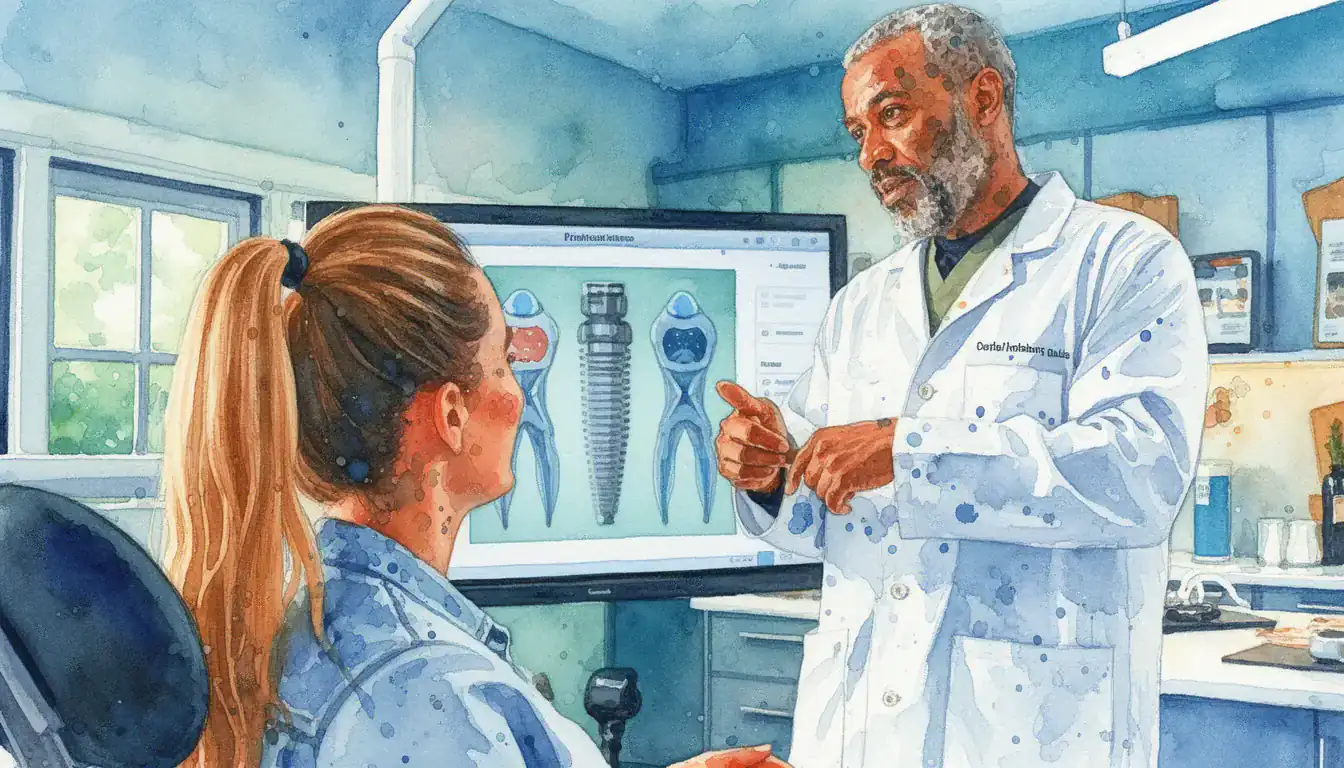
A dentist or prosthodontist diagnoses erosion through a careful clinical exam, often using indices such as the Basic Erosive Wear Examination (BEWE) to grade severity.[4] The exam looks at tooth shape, surface texture, and where wear is located. The location often points to the cause: acid drinks tend to wear the front of upper teeth, while reflux and vomiting wear the inner surfaces.[3][9]
Patients should seek care when teeth become sensitive, change color, look shorter, or chip easily. Early evaluation can stop progression and protect the option for simpler, less invasive treatment later.[4]
Treatment Options
Treatment depends on how much enamel has been lost and what is causing the erosion. The goal is to stop the acid damage first, then repair what was lost in a way that protects the remaining tooth.[4][5]
Prevention and Remineralization
For early erosion, the first step is removing or reducing the acid source. This may include diet counseling, treating GERD, or addressing an eating disorder with a medical team.[3][5]
Fluoride toothpastes, varnishes, and rinses help strengthen remaining enamel and reduce sensitivity.[9] A 2022 systematic review in <em>Acta Odontologica Scandinavica</em> found that titanium tetrafluoride may help reduce erosion progression in laboratory studies, though clinical evidence is still limited.[6] Dentists may also recommend calcium- and phosphate-based products to support remineralization.
Direct Bonding (Composite Resin)
When enamel loss is moderate but the tooth shape needs rebuilding, tooth-colored composite resin can be bonded directly onto worn surfaces. This is often the most conservative restorative option because it removes little or no remaining tooth structure.[8]
A 2016 systematic review in the <em>Journal of Oral Rehabilitation</em> reported that anterior composite restorations placed for tooth wear had reasonable medium-term survival, with most studies showing acceptable performance over five to ten years, though chipping and wear were common reasons for repair.[8] Results vary based on bite forces, parafunction, and case complexity.
Veneers, Onlays, and Crowns
When erosion is advanced, porcelain veneers, onlays, or full crowns may be needed to restore strength and appearance. These options remove some tooth structure but can rebuild lost height and protect against further wear.[4]
A prosthodontist often plans these cases using a full-mouth approach. This may include raising the bite (vertical dimension) to recreate space for new restorations when teeth have shortened from years of wear.[4] Treatment comparisons should be made fairly: composites are less invasive but may need more repairs, while ceramics typically last longer but cost more and remove more tooth structure.[8]
Full-Mouth Rehabilitation
Severe, generalized erosion may require full-mouth rehabilitation, where many or all teeth are restored together. This is the kind of complex care central to prosthodontics, the dental specialty focused on restoring and replacing teeth. You can learn more on the prosthodontics page.[11]
Recovery and Aftercare
Most erosion treatments do not require traditional "recovery," but adapting to new restorations and protecting them from future acid damage is essential.[4]
After bonding, veneers, or crowns, mild sensitivity to temperature can last days to a few weeks as teeth adjust. Patients with full-mouth rehabilitation may need a short period to adjust to a new bite. Follow-up visits typically check fit, bite, and cleaning around restorations.[4]
Long-term aftercare focuses on stopping the original cause. This often includes diet changes, medical management of reflux, treatment for eating disorders, fluoride use, and protective night guards if grinding is present.[3][5][9]
- Limit acidic drinks; use a straw and rinse with water afterward
- Wait 30-60 minutes before brushing after acid exposure
- Use a soft-bristle brush and fluoride toothpaste
- Treat GERD with your physician if reflux is suspected
- Wear a night guard if you grind or clench
- Attend recall visits as recommended by your prosthodontist
Cost Factors
Costs for erosion treatment vary widely based on severity, materials, and how many teeth are involved. Costs vary by location, provider, and case complexity.
Preventive care such as fluoride varnish and night guards is typically the lowest cost. Direct composite bonding for one or two worn teeth generally falls in a moderate range per tooth. Porcelain veneers and crowns cost more per tooth, and full-mouth rehabilitation involving many restorations can reach significantly higher totals because of the number of teeth and laboratory work involved.[4][8]
Insurance coverage is variable. Many plans cover diagnostic exams, fluoride, and some restorative work when judged medically necessary, but cosmetic-coded procedures and full-mouth cases are often partially covered or excluded. Patients are encouraged to ask for a written treatment plan with procedure codes and to check benefits before starting care. Many practices offer financing options or payment plans for larger cases.[11]
When to See a Prosthodontist Versus a General Dentist
A general dentist can diagnose erosion, provide preventive care, and place fillings or simple restorations.[12] Many cases of mild to moderate erosion are managed well in a general practice.
A prosthodontist is a dental specialist with three additional years of training in restoring and replacing teeth, including complex cases involving worn dentition and bite changes.[11] Referral to a prosthodontist is often appropriate when erosion is widespread, the bite has collapsed, multiple teeth need rebuilding, or previous restorations keep failing.[4][11]
Patients with combined issues, such as severe erosion plus grinding, missing teeth, or TMJ symptoms, typically benefit from a prosthodontist's planning approach, which considers the whole bite rather than one tooth at a time.
Find a Prosthodontist Near You
If you have signs of tooth erosion or worn teeth, a prosthodontist can evaluate the cause, protect what is left, and plan restoration that fits your bite and goals. Use our directory to find a board-certified prosthodontist in your area and learn more about the specialty on the prosthodontics page.
Search Prosthodontists in Your Area