What Is Severe Tooth Wear?
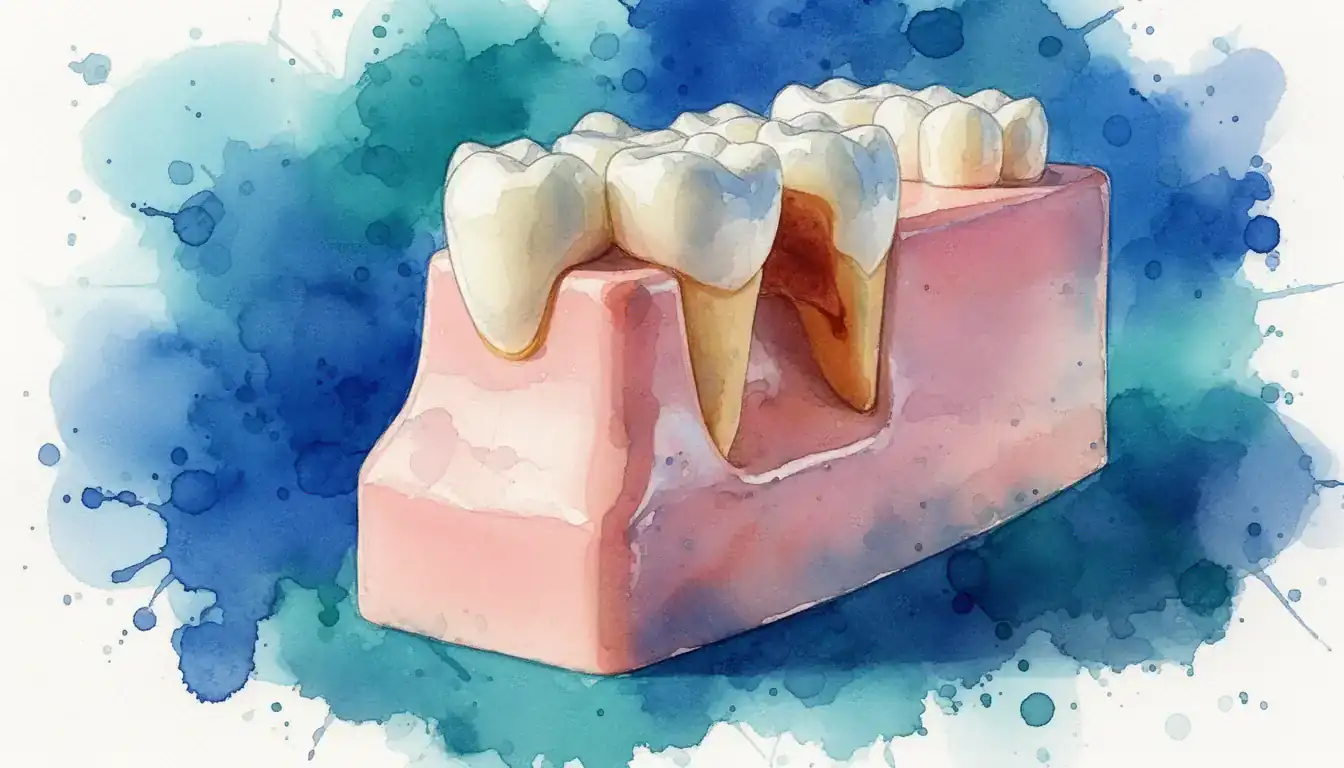
Severe tooth wear is the loss of significant tooth structure from non-cavity causes, often shortening teeth and changing the bite.[1] It is more than the slow wear that comes with normal chewing.
Some wear is expected with age. Studies suggest pathological wear, the kind that affects function or appearance, becomes more common after age 40 and is rising in younger adults due to acidic diets and stress-related grinding.[1] When teeth shorten by a third or more, dentists call this severe.
Patients often notice flat, chipped, or yellow-looking teeth. The yellow color is the inner dentin layer showing through after enamel has worn away. Once dentin is exposed, wear speeds up because dentin is much softer than enamel.[1]
Causes and Risk Factors
Severe tooth wear comes from three main mechanical and chemical processes that often overlap in the same patient.[1] Identifying the cause guides the treatment plan.
Attrition (Grinding and Clenching)
Attrition is tooth-on-tooth wear, usually from bruxism (grinding) or clenching, often during sleep.[3] Stress, sleep apnea, and certain medications can trigger it.
Signs include flat biting surfaces, jaw soreness in the morning, and partner reports of grinding sounds at night.
Erosion (Acid Wear)
Erosion is chemical loss of enamel from acid contact. Sources include acid reflux (GERD), frequent vomiting, soft drinks, citrus, sports drinks, and wine.[1]
Eroded teeth often look smooth, glossy, and cupped on the biting surface. Front teeth may become thin and translucent at the edges.
Abrasion (Friction)
Abrasion is wear from outside objects rubbing the teeth, most often a hard-bristle toothbrush combined with abrasive toothpaste.[3] It can also come from chewing pens, ice, or fingernails.
Abrasion typically shows as notches at the gumline where the toothbrush has worn through enamel.
Other Risk Factors
Risk increases with age, dry mouth (which reduces protective saliva), eating disorders, missing back teeth that force front teeth to do too much work, and acidic occupational exposures.[1]
Symptoms and Diagnosis
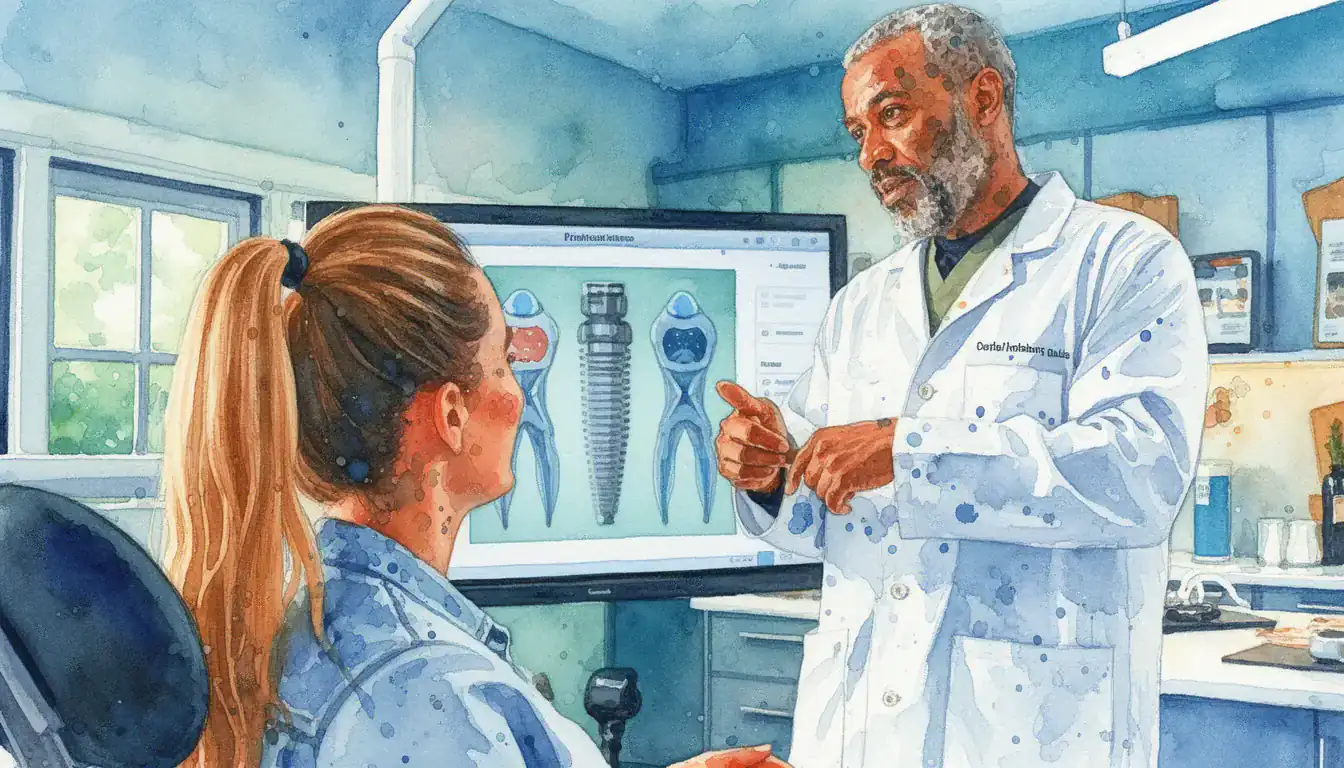
Patients usually notice short, sharp, or sensitive teeth before they realize the cause is wear. A prosthodontist diagnoses severe wear through exam, photos, and bite analysis.[2]
Common symptoms include sensitivity to cold or sweet foods, jaw fatigue, frequent chipping, a closing-down appearance of the lower face, and difficulty biting into foods. Some patients say their teeth look older than they feel.
How Wear Is Diagnosed
Diagnosis usually includes a full dental exam, intraoral photographs, study models or digital scans, and bite (occlusal) analysis. The dentist checks how upper and lower teeth meet, looks for muscle tenderness, and may order a sleep study if bruxism is suspected.[2]
Wear is typically graded by how much tooth structure has been lost. Mild wear affects only enamel. Moderate wear exposes dentin. Severe wear shortens the tooth or threatens the nerve.
When to Seek Care
See a dentist promptly if teeth are chipping often, becoming sensitive, looking shorter, or if chewing has become uncomfortable. Early treatment is typically more conservative and less expensive than waiting for nerve damage or fractures.[1]
Treatment Options
Treatment depends on how much tooth structure is lost, what is causing the wear, and the patient's goals.[1] The first step is always to stop the cause; rebuilding teeth without addressing grinding or acid will simply destroy the new restorations.
Behavioral and Preventive Steps
For acid erosion: limit acidic drinks, rinse with water after exposure, treat reflux, and avoid brushing immediately after acidic foods.[3] For grinding: stress management, treating sleep apnea if present, and a custom night guard.
These steps alone can stop wear from getting worse, even before any restorations are placed.
Composite Bonding
Adhesive composite resin can rebuild worn surfaces without removing healthy tooth structure. Research supports this conservative approach as a first-line option, especially in younger patients.[1]
Bonding is less expensive than crowns and reversible, but composite typically lasts 5 to 10 years and may chip or stain over time.
Veneers and Onlays
Porcelain veneers cover the front of worn teeth, while onlays restore worn biting surfaces of back teeth. They preserve more healthy tooth than full crowns.[2]
These work best for moderate wear when the underlying tooth is still strong.
Crowns and Full-Mouth Reconstruction
When wear is severe, crowns rebuild each tooth to its original shape and length. A full-mouth reconstruction restores all worn teeth at once and reestablishes the correct bite height.[2]
This is the most predictable treatment for severely worn dentitions but is the most invasive and expensive. A prosthodontist usually plans the case using a wax-up or digital design before any teeth are prepared.
Dental Implants
If wear has caused tooth fractures or the patient has missing teeth contributing to the problem, implants may replace lost teeth as part of the rebuild. Implants do not wear or decay, but they do not feel pressure, so the bite must be designed carefully.[2]
Recovery and Aftercare
Recovery from full-mouth restoration is gradual; most patients adjust to a new bite within a few weeks. Sensitivity and minor speech changes are common at first and typically resolve.[2]
Patients usually wear temporary restorations for several weeks while final crowns or veneers are made. This phase lets the patient and dentist test the new bite and appearance before committing to permanent restorations.
Long-Term Maintenance
Wearing a night guard is essential after restoration in patients with any history of grinding. Without it, ceramic restorations can chip or fracture.[3]
Routine cleanings every six months, careful flossing around crown margins, and avoiding ice or hard candy help restorations last longer. Quality crowns and veneers commonly last 10 to 15 years or more, though results vary by material, oral habits, and home care.
Cost Factors
Treatment cost depends on the severity of wear, the number of teeth involved, materials chosen, and the provider's location. Costs vary by location, provider, and case complexity.
Approximate ranges in the United States: composite bonding $300 to $800 per tooth; porcelain veneers $1,000 to $2,500 per tooth; ceramic crowns $1,200 to $3,500 per tooth; full-mouth reconstruction $30,000 to $90,000 or more for complex cases.
Insurance and Financing
Dental insurance often covers part of crown work when wear has caused functional damage, but it usually classifies veneers as cosmetic. Annual maximums (often $1,000 to $2,500) rarely cover a full reconstruction in one year.[2]
Many practices offer staged treatment plans, in-office payment plans, or third-party financing such as CareCredit. Asking for a written treatment plan with phased options helps patients budget.
Prosthodontist or General Dentist?
Mild to moderate wear can often be managed by an experienced general dentist with bonding or single crowns. Severe wear that requires rebuilding the bite is usually best handled by a prosthodontist.[2]
Prosthodontists complete three additional years of training after dental school focused on complex restorations, bite reconstruction, and full-mouth rehabilitation. They commonly coordinate care with periodontists, endodontists, and oral surgeons when implants or root canals are part of the plan. Learn more about the prosthodontics page to understand the scope of this specialty.
Find a Prosthodontist Near You
If your teeth are shorter, more sensitive, or chipping more than they used to, a prosthodontist can evaluate the cause and design a plan to rebuild what has been lost. Search My Specialty Dentist to find board-certified prosthodontists who treat severe tooth wear in your area.
Search Prosthodontists in Your Area